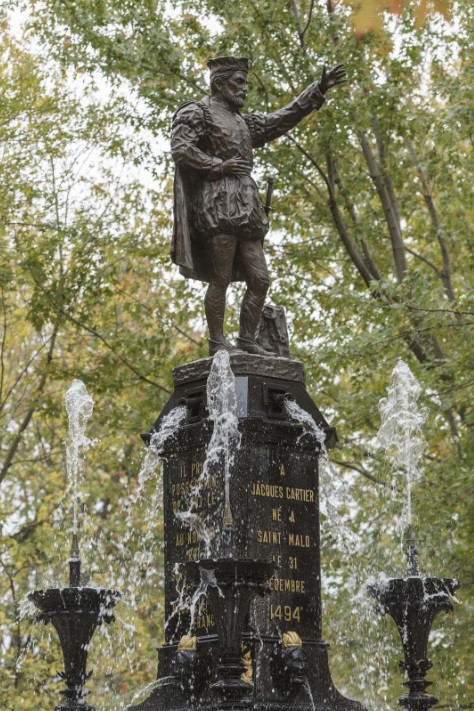
In July 2019, Haunted Montreal published a story about the Haunted Statue of Jacques Cartier in Saint-Henri Park. Towering above the greenspace, the statue features the French explorer along with colonial words and racist depictions of decapitated Indigenous heads spitting out water. It also has a paranormal history that has disturbed numerous people, triggered at least one divorce and caused many other problems.
It’s Friday the 13th! It’s also time for the one hundred and thirty-fifth installment of the Haunted Montreal Blog. This month we take a look at Thompson House, a prominent McGill University building purportedly haunted by its Golden Square Mile past.
With over 600 documented ghost stories, Montreal is easily the most haunted city in Canada, if not all of North America. Haunted Montreal dedicates itself to researching these paranormal tales, and the Haunted Montreal Blog unveils a newly researched Montreal ghost story on the 13th of every month!
This service is free and you can sign up to our mailing list (top, right-hand corner for desktops and at the bottom for mobile devices) if you wish to receive it every month on the 13th! The blog is published in both English and French!
With the weather getting cooler, our outdoor public tour schedule has slimmed. We are currently offering Haunted Old Montreal and the Indigenous-Led Colonial Secrets of Old Montreal until the end of November. Our Haunted Pub Crawl continues every Sunday at 3pm in English and the last Sunday of each month at 2pm in French.
All of our haunted experiences, including outdoor ghost walks and paranornal investigations, are still available as Private Tours. More info in our Company News section.
Haunted Research
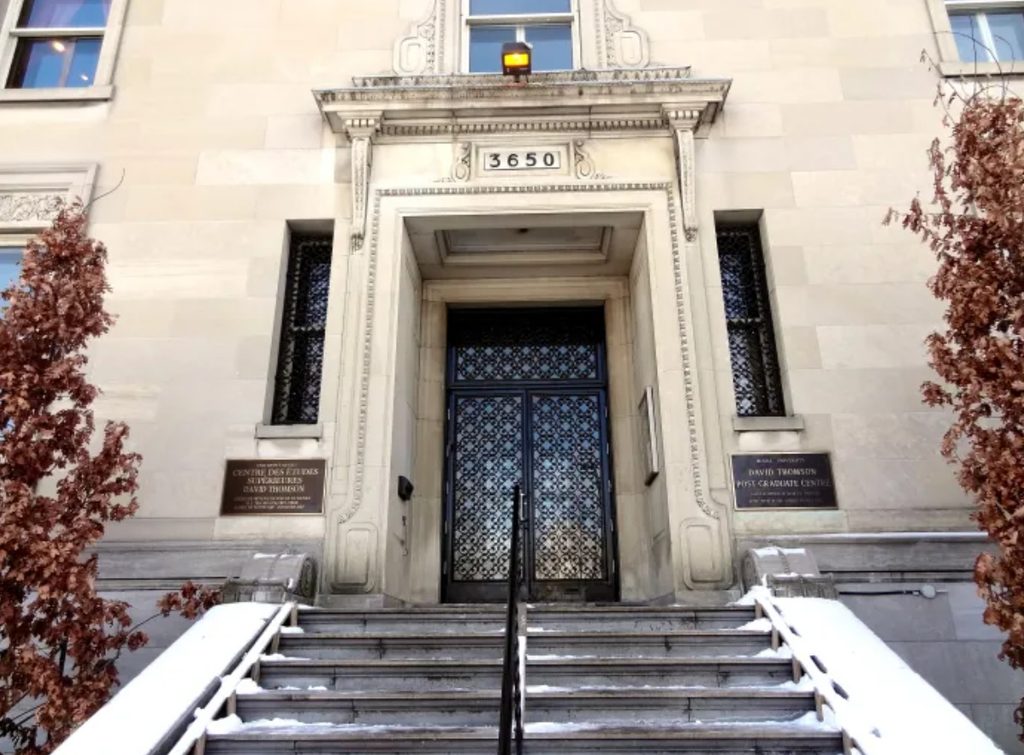
Perched high up on McTavish Street sits the handsome Thomsons House. As the headquarters of the McGill Graduates Society, the old mansion features a bar, restaurant, meeting spaces and a majestic ballroom.
While Thomson House is lively and bursting with Master and PhD. students, it also holds dark secrets and is reputed to be haunted.
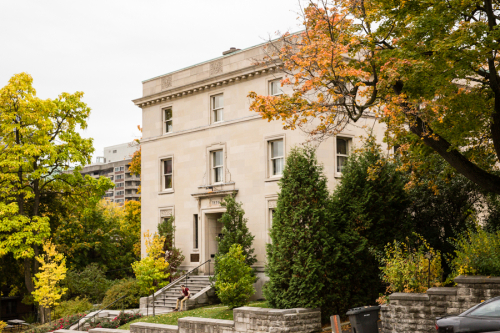
Staff have reported mysterious noises such as toilet seats slamming shut, items disappearing and lights turning back on after the building was closed and locked up for the night. Many workers also avoid the catering kitchen on the third floor due to feelings of unease or being creeped out. These disturbances may have something to do with the history of Thomson House and the circumstances behind its construction.
During the 1930s, a wealthy French-Canadian businessman named Charles-Édouard Gravel wanted to move into the Golden Square Mile. This neighbourhood on the slopes of Mount Royal was famous for its glittering mansions, British aristocrats and extreme wealth. Charles-Édouard Gravel was a very successful businessman, industrialist, banker and philanthropist.
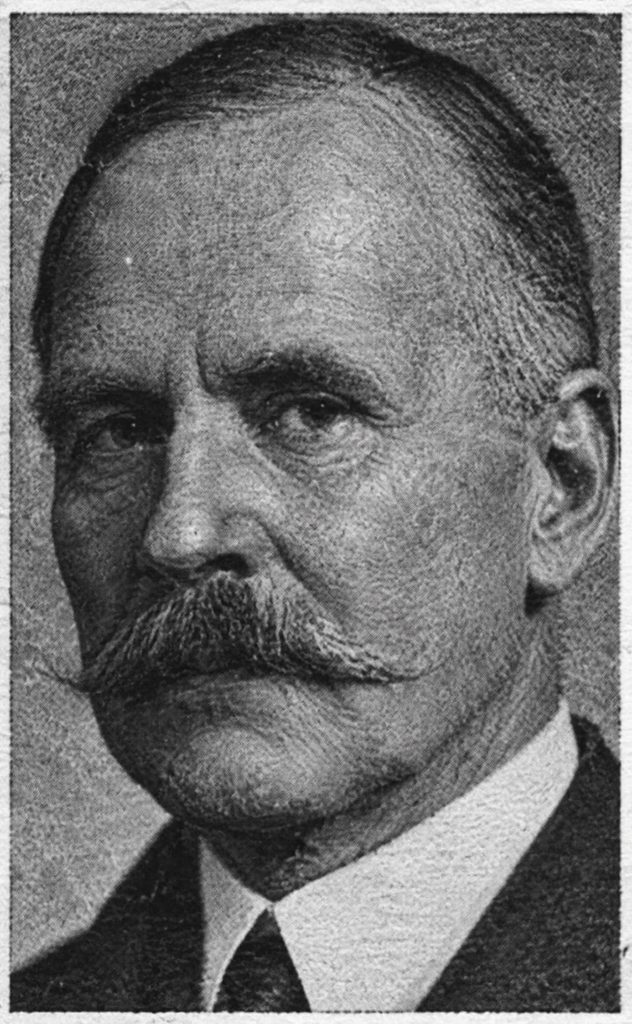
Gravel was involved in the management of several major Canadian companies, including Bell Canada, Montreal Tramways, Dominion Oilcloth & Linoleum, Canada Linseed Oil Mills, Belding-Corticelli and St. Lawrence Flour Mills. He was also the president of the Banque canadienne nationale (National Bank of Canada) from 1947 to 1950.
As a Philanthropist, Gravel supported numerous Montreal charitable institutions, including hospitals, the Société Saint-Vincent-de-Paul, organizations serving blind people, tuberculosis organizations and the Multiple Sclerosis Society. He also assisted the Catholic orphanage in Montreal.
The Golden Square Mile was indisputably a neighbourhood that hosted Montreal’s richest businessmen and their families. From approximately 1850 to 1930, Montreal’s Golden Square Mile was one of the wealthiest residential neighbourhoods in the British Empire. It was home to the city’s most powerful railway magnates, shipping merchants, bankers, industrialists and political figures.
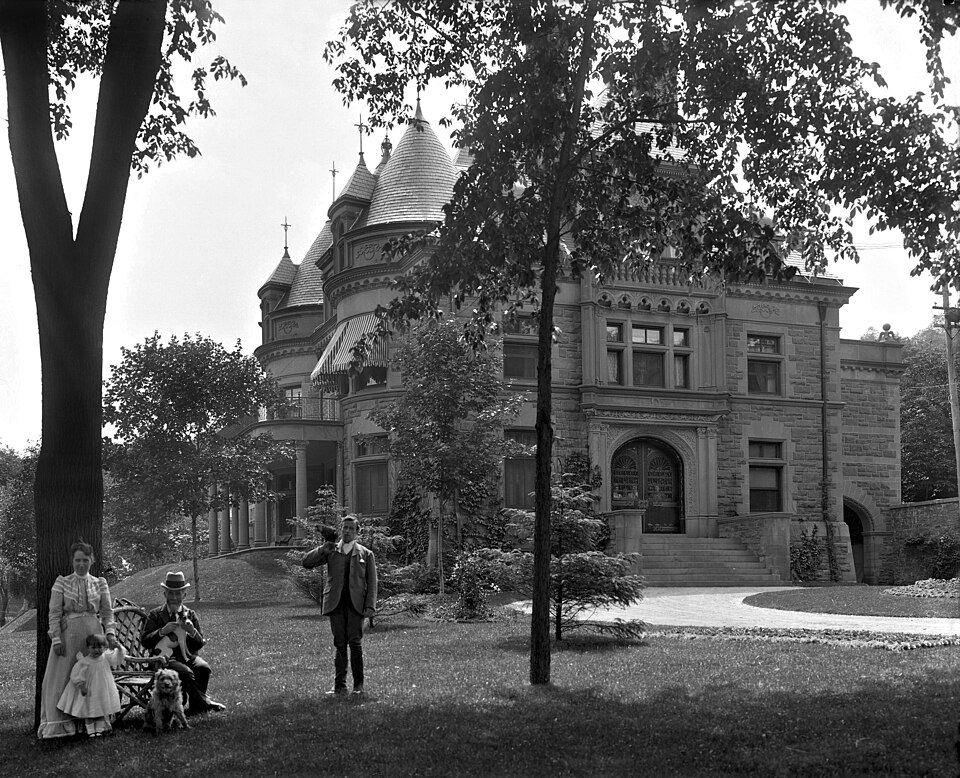
For Montreal’s business elite, living there was about much more than having a beautiful house. It was a statement of wealth, social position, family prestige and influence.
It also featured incredible views, fresh air, and privacy.
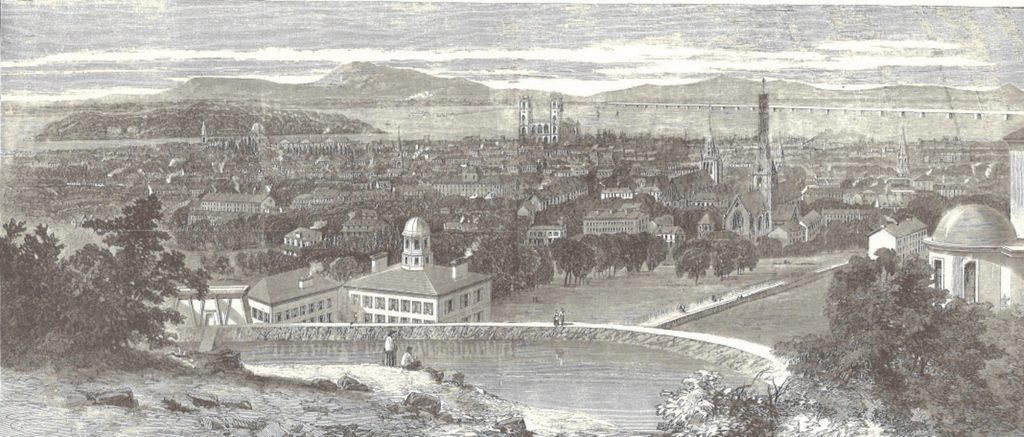
The neighbourhood was particularly associated with the rise of Montreal as Canada’s commercial and financial capital during the second half of the nineteenth century. At one point over 50% of Canada’s wealth was concentrated in the Golden Square Mile.
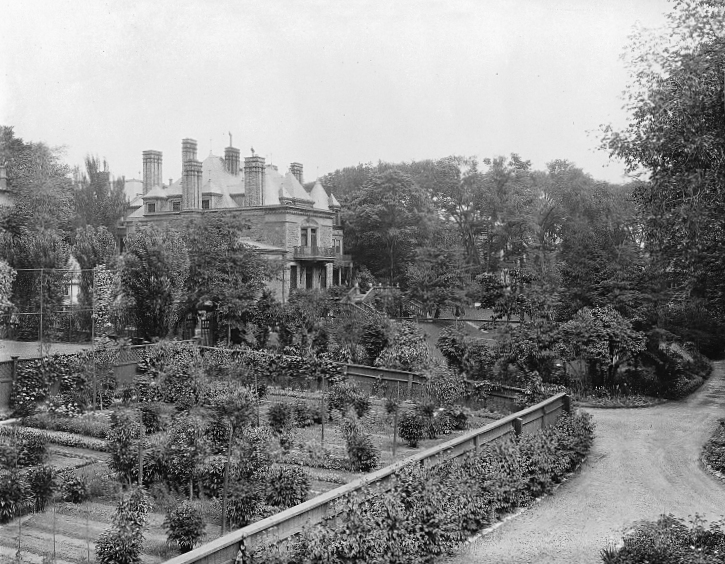
The Golden Square Mile was also a place where powerful people lived close to one another. Families met at private dinners, charity events, clubs and social gatherings. Marriages between prominent families helped consolidate wealth and influence.
It was also a predominantly English-speaking, Protestant elite. The Allan, Redpath, Stephen, Molson, Ogilvie, Ross and McTavish families resided there, along with many other business elites.
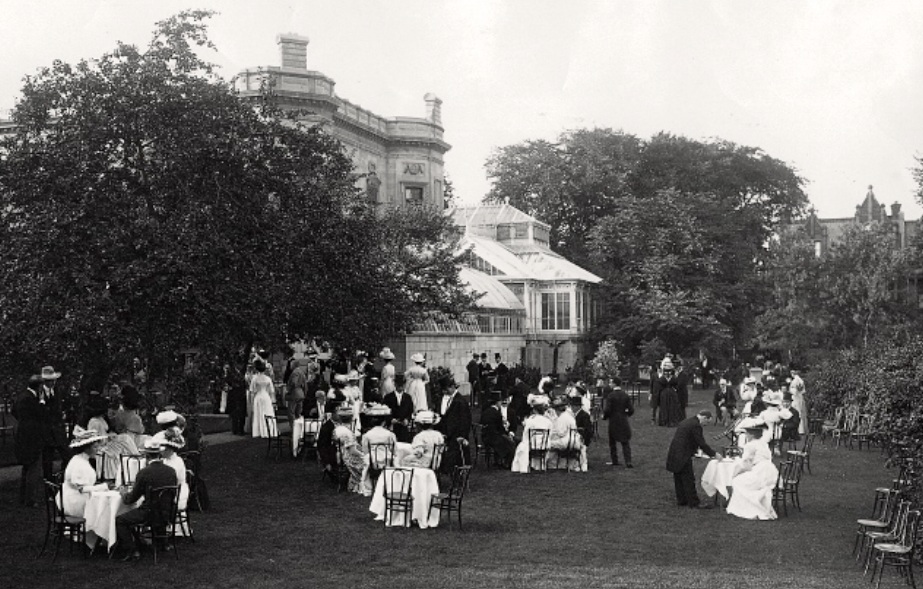
Living in the neighbourhood meant belonging to an exclusive social world. As such, Charles-Édouard Gravel wanted to move there with his family.
However, when he tried to purchase a property in the 1930s, the anglophone owner refused to sell it to him because he was Catholic and French-Canadian.
At the time, the British aristocrats generally considered French-Canadians to be second-class citizens as a conquered people. The Catholic religion was also viewed with a certain amount of scorn and mockery.
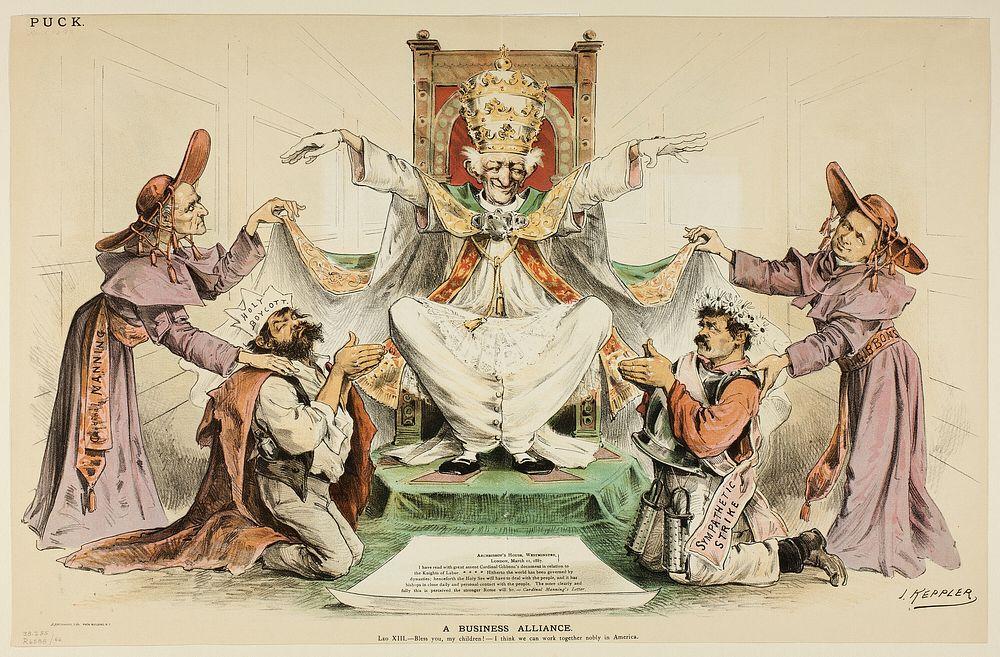
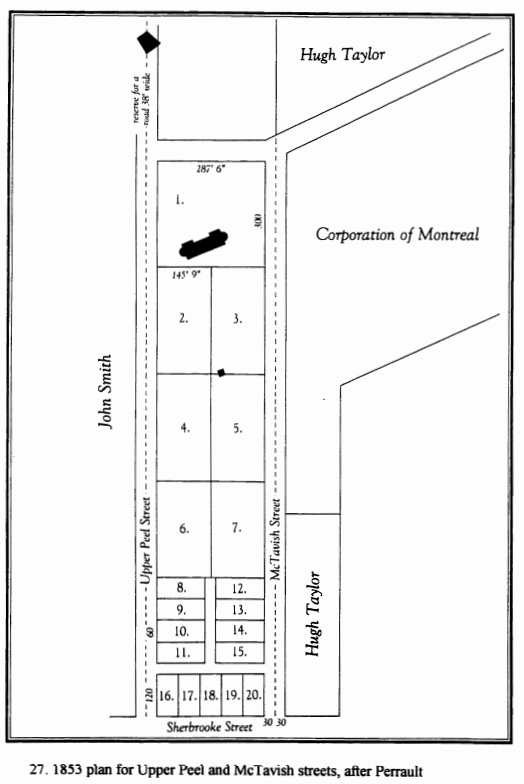
Not one to take no for an answer, Gravel responded by buying a vacant lot at 3650 McTavish Street in 1934 to build his own mansion. This was seen as remarkable given that The Great Depression was in full swing and the economy was in ruins.
It is also interesting to note that the land purchased by Charles-Édouard Gravel had a questionable reputation. Indeed, the haunted castle of ghostly fur baron Simon McTavish was once located just to the north of the property.
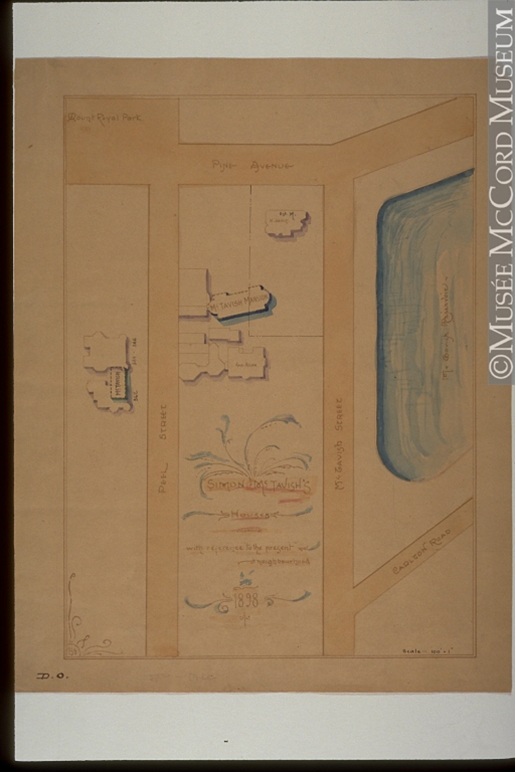
McTavish owned a vast stretch of land in 1800, which he used to construct his castle. When he died suddenly in 1804, his unfinished castle was abandoned and left to fall into ruin.
It was demolished in 1860, and his land was then subdivided into plots and sold to wealthy aristocrats.
Gravel commissioned prominent Montreal architects Jean-Julien Perrault and Joseph-Roméo Gadbois to design his home. Baptized as the Maison Charles-Édouard Gravel (or the Gravel House), the elegant three-story mansion was designed in the classic Beaux-Arts architectural style. The intricate interior featured heavily carved wooden details, grand ornate fireplaces, and molded plaster ceilings.
Completed in 1936, Gravel moved into his new and luxurious mansion with his wife, Marie-Margeurite Jobin, and their four children.
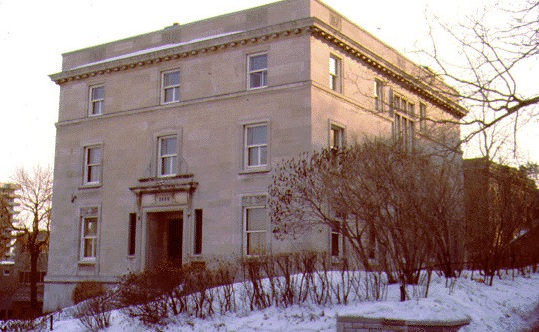
However, the winds of time were changing and the Maison Charles-Édouard Gravel would be the last mansion ever constructed in the Golden Square Mile.
Indeed, the Golden Square Mile began emptying out as many of the British aristocrats began moving to Westmount. Some families were harmed by The Great Depression, the enormous Victorian and Edwardian mansions became expensive and impractical to maintain, and the spread of the automobile meant that there was no need to live so close to the city.
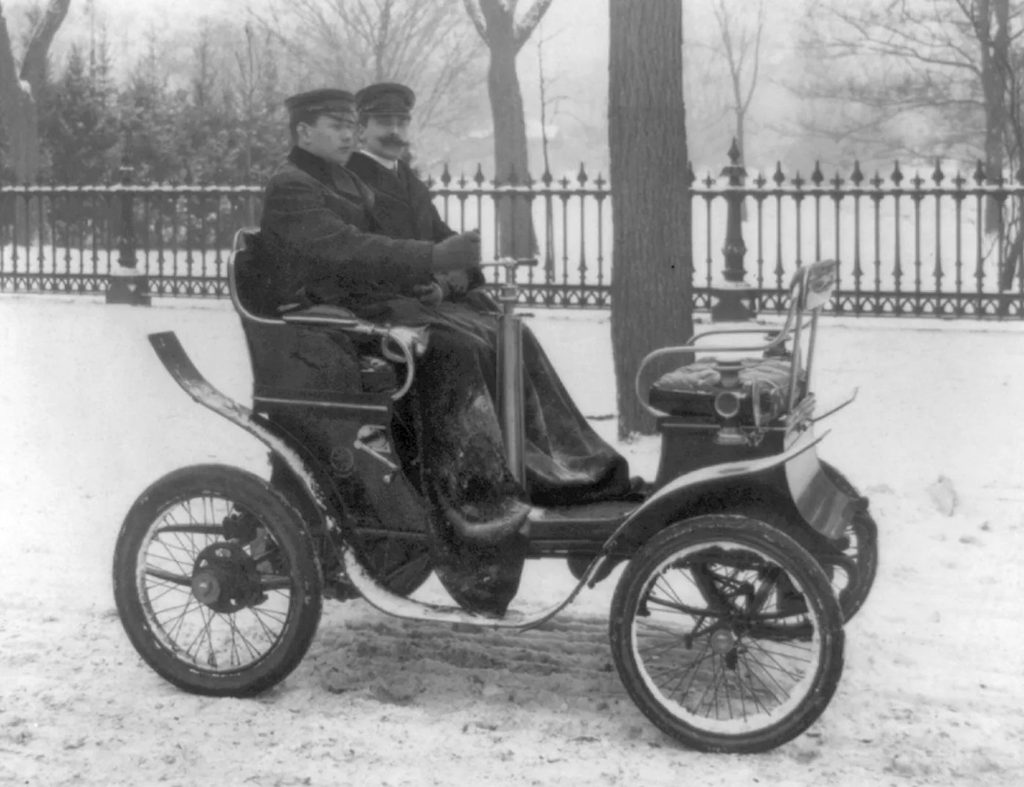
By the end of the 1930s, the Golden Square Mile was no longer the exclusive residential enclave it had once been. Indeed, as the decades passed, it was slowly consumed by downtown Montreal. Several mansions were demolished and other buildings went up, including many for McGill University.
In 1956 an elevator was installed in the Gravel House, possibly because Charles-Édouard Gravel or his wife were starting to feel their age. Just three years later, in 1959, Charles-Édouard Gravel died at the age of 75 one day before his 76th birthday. He was laid out in an open casket inside the home he had worked so hard to establish. His funeral followed in then Notre-Dame-des-Neiges Cemetery, leaving his wife and children to mourn his death.
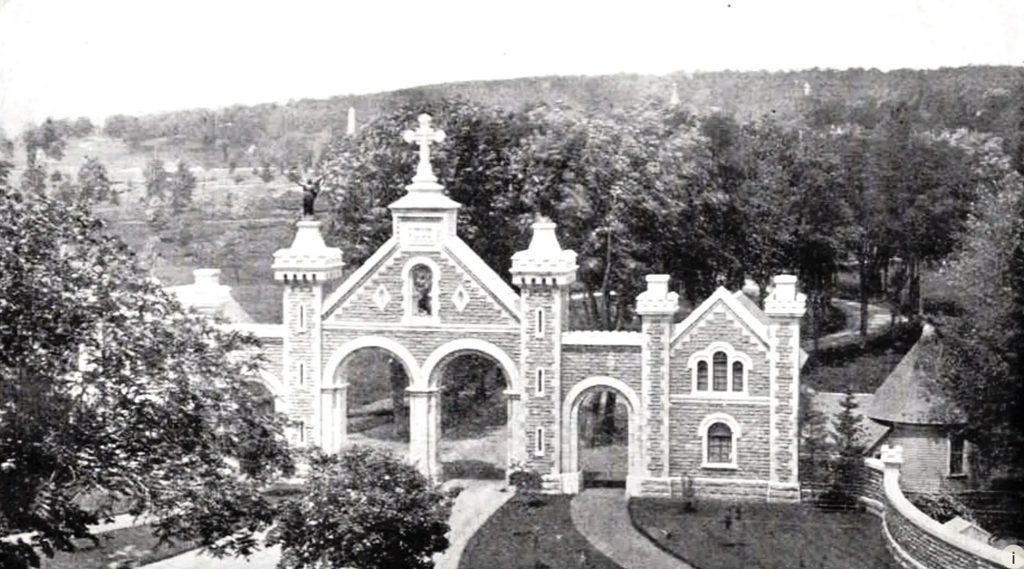
By the late 1960s, Gravel’s wife Marie-Margeurite Jobin probably found the home too big to take care of as she became infirm with age. As such, in January 1968, the Gravel Family decided to sell the home to McGill University for $378,000.
Upon acquiring it, the university repurposed the mansion to house its growing Post-Graduate Students’ Society (PGSS). McGill University then promptly renamed the building in honour of David L. Thomson, a highly influential biochemist, dean of the Faculty of Graduate Studies, and university administrator during the first half of the 20th century. Thomson was also one of the foundational figures who helped establish the PGSS.
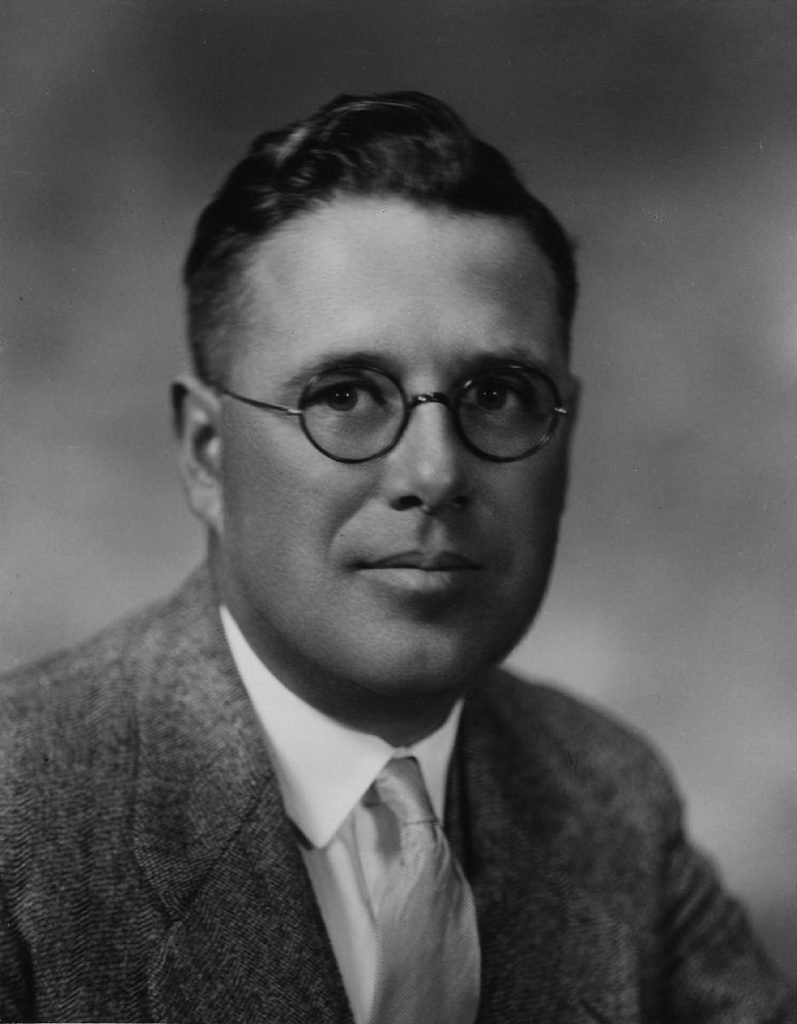
With the renaming of the Gravel House to the Thomson House, Charles-Édouard Gravel’s original dream of having a francophone presence in the Golden Square Mile was dashed. Not only was his home renamed after an anglophone, but it was now inhabited by English-speaking McGill students.
Some speculated that Charles-Édouard Gravel rolled over in his grave because of the situation. Rumours circulated that he came back to haunt his beloved house, unwilling to accept its anglophone fate.
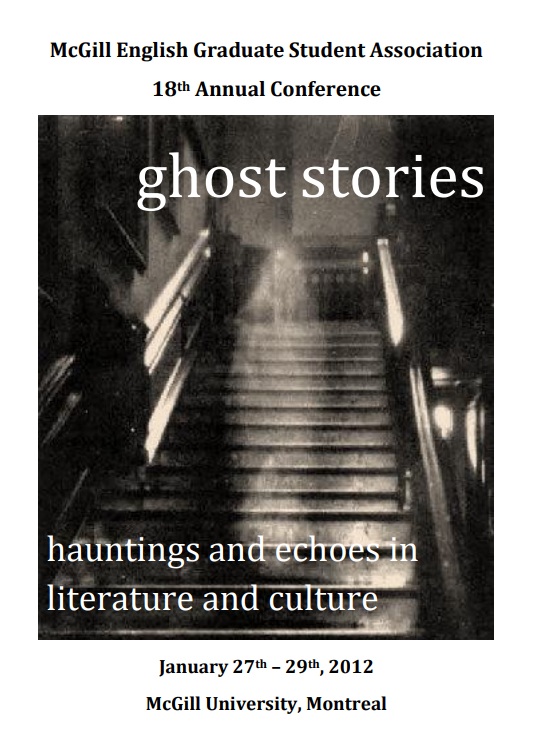
Since then, Thomson House has hosted over 35 years of students, events, conferences and vibrant parties. One of the more memorable conferences in 2012 featured ghosts on the agenda. Titled “ghost stories: hauntings and echoes in literature and culture”, the 3-day event was wildly popular.
Thomson House also hosts a raucous Hallowe’en party for the Graduate students every year, which almost always sells out quickly.
Described as the most popular event of the year, the mansion is heavily decorated and everyone wears their best costume.
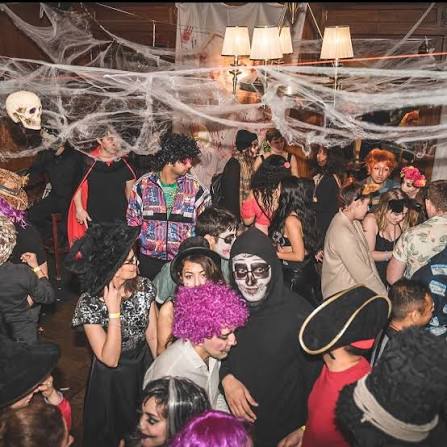
However, despite these wonderful events, staff have also reported unexplained and possibly paranormal activity in Thomson House.
Haunted Montreal was invited by a staff member of Thomson House in the summer of 2026 to explore the mansion and hear about the potential hauntings. We are keeping the name of the employee anonymous because of the sensitive nature of the topic.
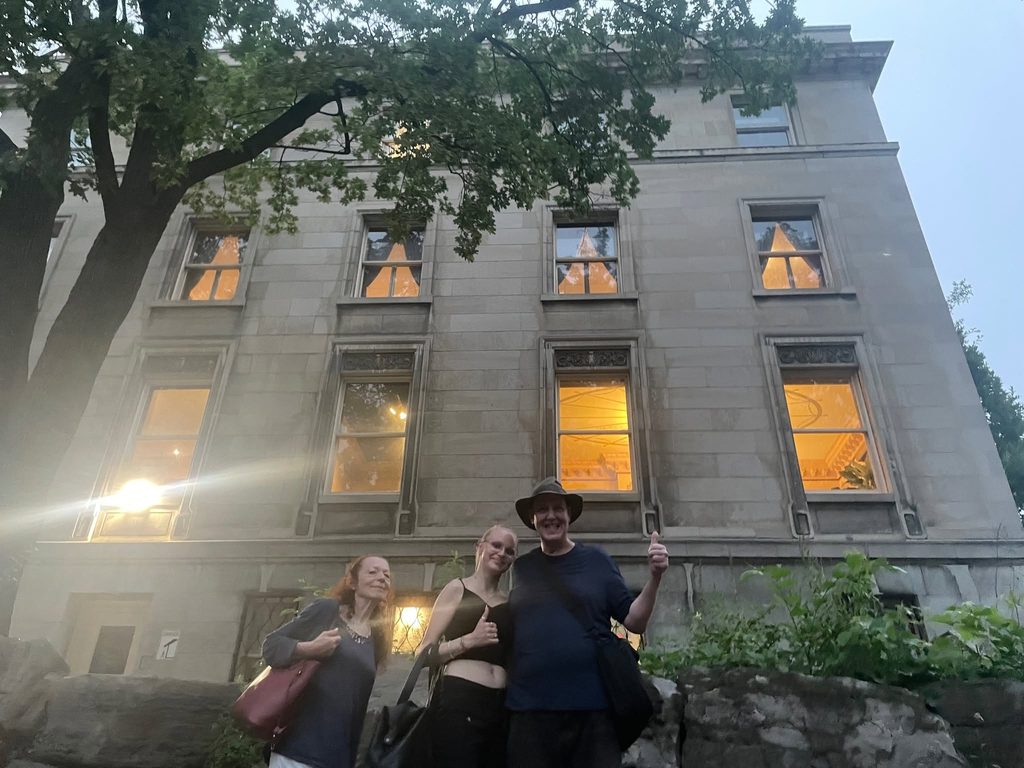
The employee told us: “The closest thing to a ghost experience I’ve had was after we had closed the house one night, we were tidying up, the doors were locked, there was nobody inside and we heard a toilet seat slam shut. We walked all over the house looking for evidence that someone was inside and there was nobody there. We were pretty creeped out.”
They continued: “The second weirdest event was in the apartment area above the garage. The old groundskeeper used to live up there from the late sixties, when the house was sold to McGill, until the mid 80’s when he passed away. I had been nursing a few plants back to life up there, since the space wasn’t being used for much. One day I went up there to check on them and one of them was simply gone, a large potted plant. I asked the only three other people who had access to the space and they knew nothing about it. My boss joked that it was maybe the ‘spirit of Ralph’, the old groundskeeper. The fact that I placed it next to an old antique mirror that had been there since he lived in the apartment gave me an eerie feeling…”
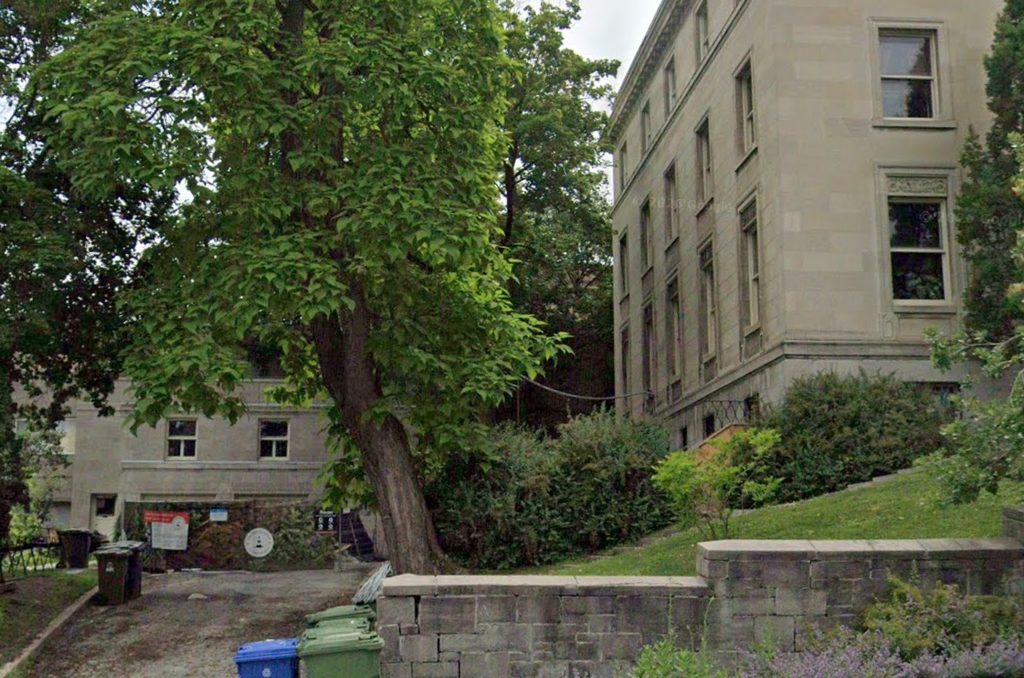
The garage is located just south of Thomson House and has an apartment above that used to be inhabited by the former gardener, Ralph. After he died, the apartment was used as a storage space. The employee mentioned a second strange encounter above the garage: “Another odd thing that happened up there was a bunch of Halloween decorations being pulled out of the closet and spilled into the room, which everyone thought was odd and nobody said it was them.”
When asked for more information, the employee responded:
“I don’t get very spooked in the house usually; any odd noises can be blamed on the many fridges, ice machines, fans and other appliances on every floor. Sometimes however, I will get odd feelings like there’s someone in the house, hearing noises that don’t track with the usual machinery etc. and half expect to see Charles-Edouard or Marie-Marguerite standing on the staircase.”
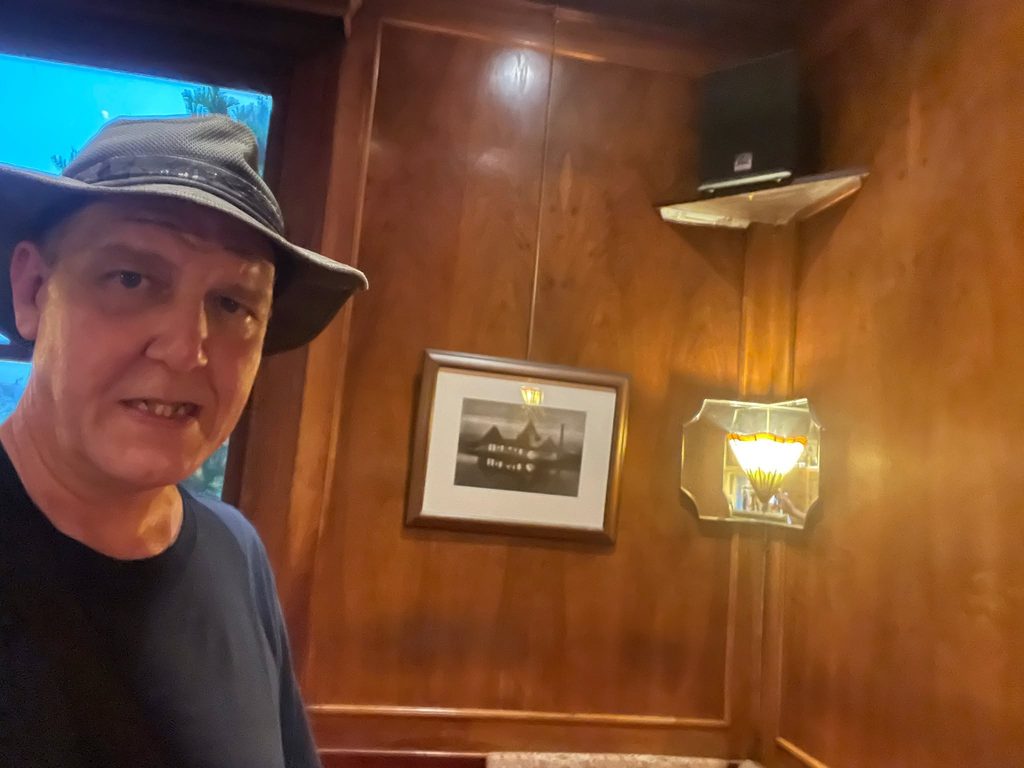
One of the most frightening parts of Thomson House is the catering kitchen on the third floor. The employee explained:
“Many of the staff over the years have told me that they are *especially* creeped out by the catering kitchen on the 3rd floor, for some reason; that they hate going in there at night. A couple of times I’ve sworn I’ve turned off the light in there and then I’ve seen it on after I leave.”
The employee, who has been studying blueprints of the home, theorizes that this part of the house was originally the Master bedroom.
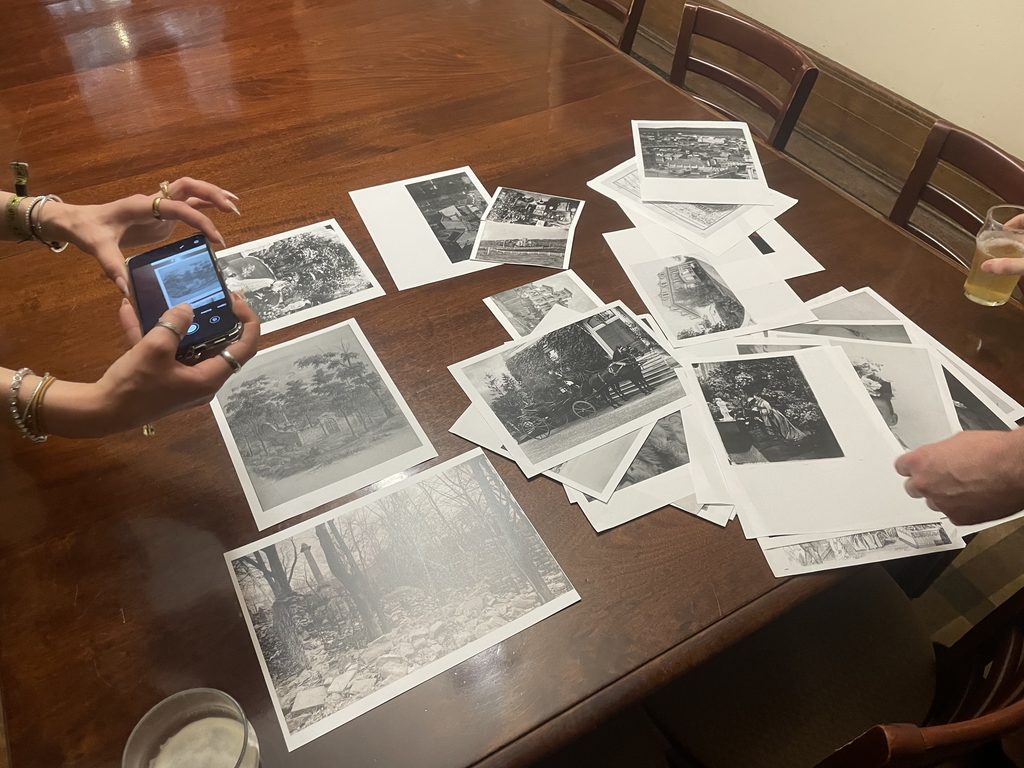
While there is no solid evidence that Thomson House is haunted, the strange stories and seemingly paranormal activities raise eyebrows. Is the mansion haunted by Charles-Édouard Gravel in retaliation for anglicizing his French-Canadian home? Has his wife, Marie-Margeurite Jobin, joined him in this haunted venture? Could the ghost of Ralph, the old groundskeeper, haunt is old apartment above the garage?
These are unanswered questions. Only one thing is certain, more research and paranormal investigation will be necessary into the Thomson house until these questions can be answered.
Company News
With Halloween done for the year and winter around the corner, our outdoor public tour schedule has become more limited.
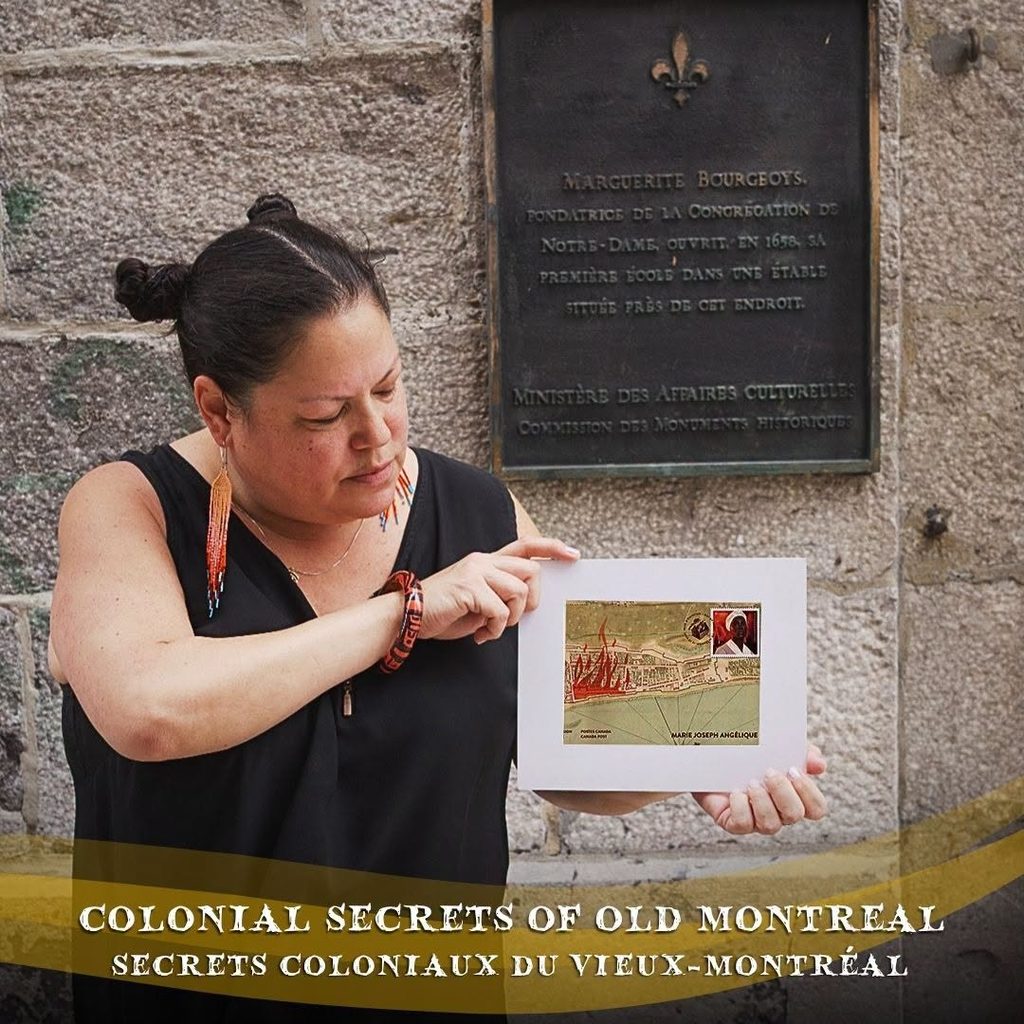
Our newest tour, the Indigenous-Led Hidden History Tour, Colonial Secrets of Old Montreal, runs every Saturday at 2pm in English and 4pm in French until the end of November. Join Sophie-Claude Miller as she smashes the tourist gaze and look at the monuments and landmarks in the city’s oldest neighbourhood from a new perspective.
Meanwhile, Haunted Old Montreal continues as a public tour until the end of the month, and our Haunted Pub Crawl runs every Sunday at 3pm in English, and the last Sunday of each month at 2pm in French.
You can still book our other walking tours, such as Haunted Griffintown, Haunted Downtown, and even Haunted Mountain, as well as our Paranormal Investigations as private tours (in addition to those events still running for the public).
Clients can request any date, time, language and operating tour. These tours are based on the availability of our actors and start at $250 for small groups of up to 8 people. Our slots are filling up fast, so email info@hauntedmontreal.com to book yours today!
Spice up your office Christmas party or holiday house party by booking one of our Travelling Ghost Storytellers today.

Hear some of the spookiest tales from our tours and our blog told by a professional actor and storyteller. You provide the venue, we provide the stories and storyteller. Find out more and then contact info@hauntedmontreal.com
Holly and Dr. Mab are back! Now part of Stygian Media, they will continue releasing Haunted Montreal videos based on our blogs in English and French among other horror-themed content.
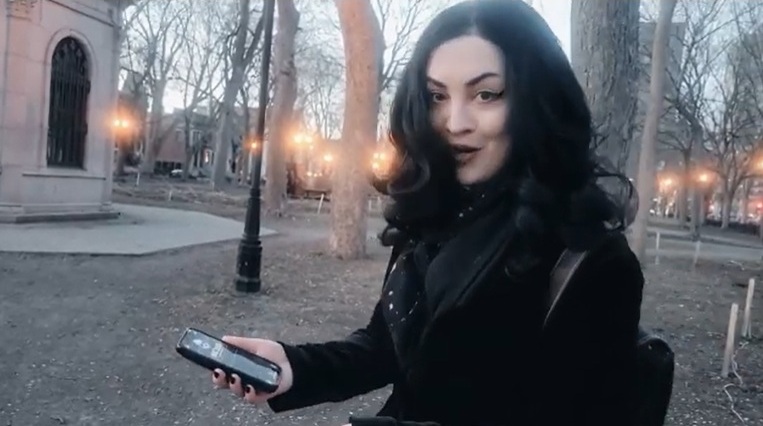
Please like, subscribe and hit the bell!
In other news, if you want to send someone a haunted experience as a gift, you certainly can!
We are offering Haunted Montreal Gift Certificates through our website and redeemable via Eventbrite for any of our in-person or virtual events (no expiration date).

Our online shop is offline for the next few months. If you would like to purchase any Haunted Montreal-branded t-shirts or mugs in the meantime, please contact us at info@hauntedmontreal.com
Haunted Montreal also has temporarily altered its blog experience due to a commitment on a big writing project! Until further notice, we will be offering updates on old stories every second month and the regular blog service alternating.

Haunted Montreal would like to thank all our clients who attended a ghost walk, haunted pub crawl, paranormal investigation or virtual event!
If you enjoyed the experience, we encourage you to write a review on our Tripadvisor page and/or on Google Reviews – something that really helps Haunted Montreal to market its tours.

Lastly, if you would like to receive the Haunted Montreal Blog on the 13th of each month, please sign up to our mailing list.
Coming Up on December 13: Update on The Old Royal Victoria Hospital
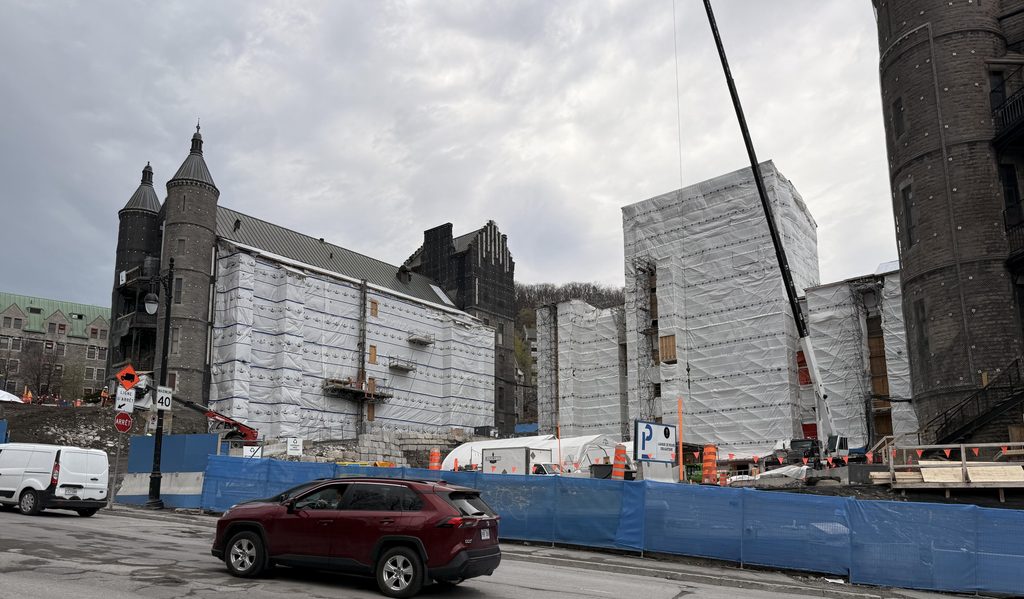
Shrouded in scaffolding with white sheets attached, the Old Royal Victoria Hospital looks like a ghost. Renovations are transforming it into the “New Vic”, a McGill University pavilion that will feature a “global hub for sustainability and public policy”. However, questions remain about the ghosts roaming the old hospital and medical victims, including Indigenous children, buried on the site.
Author:
Donovan King is a postcolonial historian, teacher, tour guide and professional actor. As the founder of Haunted Montreal, he combines his skills to create the best possible Montreal ghost stories, in both writing and theatrical performance. King holds a DEC (Professional Theatre Acting, John Abbott College), BFA (Drama-in-Education, Concordia), B.Ed (History and English Teaching, McGill), MFA (Theatre Studies, University of Calgary) and ACS (Montreal Tourist Guide, Institut de tourisme et d’hôtellerie du Québec). He is also a certified Montreal Destination Specialist.
Related Posts

Comments (0)