
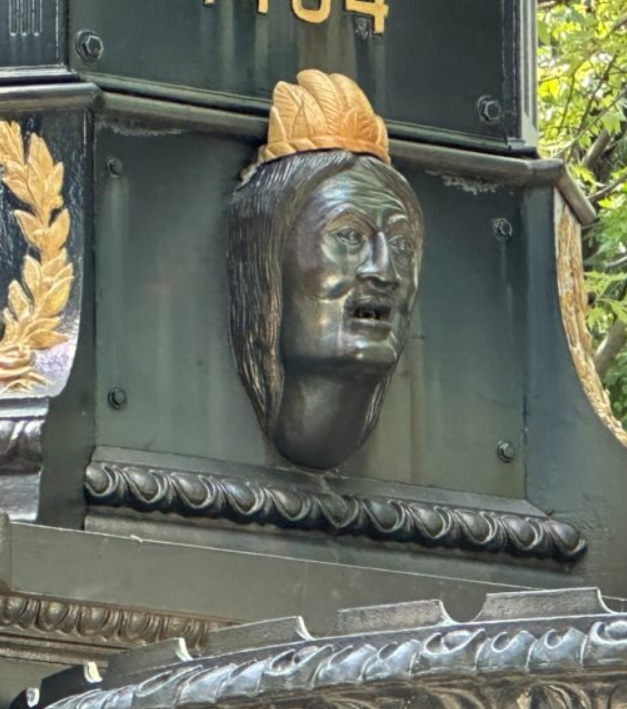
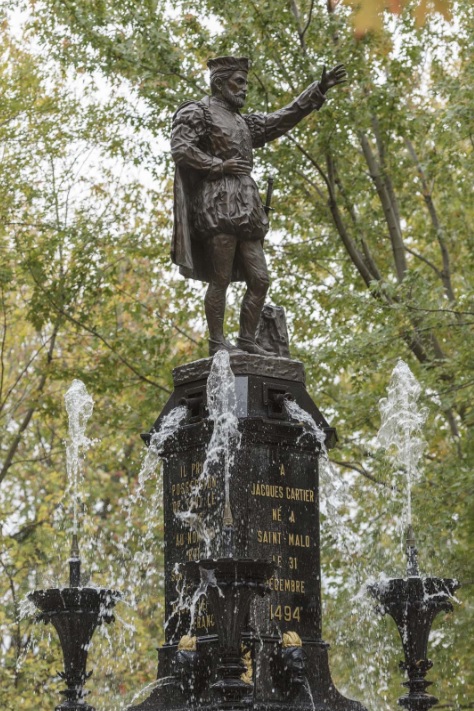
In July 2019, Haunted Montreal published a story about the Haunted Statue of Jacques Cartier in Saint-Henri Park. Towering above the greenspace, the statue features the French explorer along with colonial words and racist depictions of decapitated Indigenous heads spitting out water. It also has a paranormal history that has disturbed numerous people, triggered at least one divorce and caused many other problems.
Welcome to the one hundred and thirty-third installment of the Haunted Montreal Blog! This month we take a look at The Relief, a purportedly haunted steamship that sailed Montreal’s Lachine Canal 100 years ago.
With over 600 documented ghost stories, Montreal is easily the most haunted city in Canada, if not all of North America. Haunted Montreal dedicates itself to researching these paranormal tales, and the Haunted Montreal Blog unveils a newly researched Montreal ghost story on the 13th of every month!
This service is free and you can sign up to our mailing list (top, right-hand corner for desktops and at the bottom for mobile devices) if you wish to receive it every month on the 13th! The blog is published in both English and French!
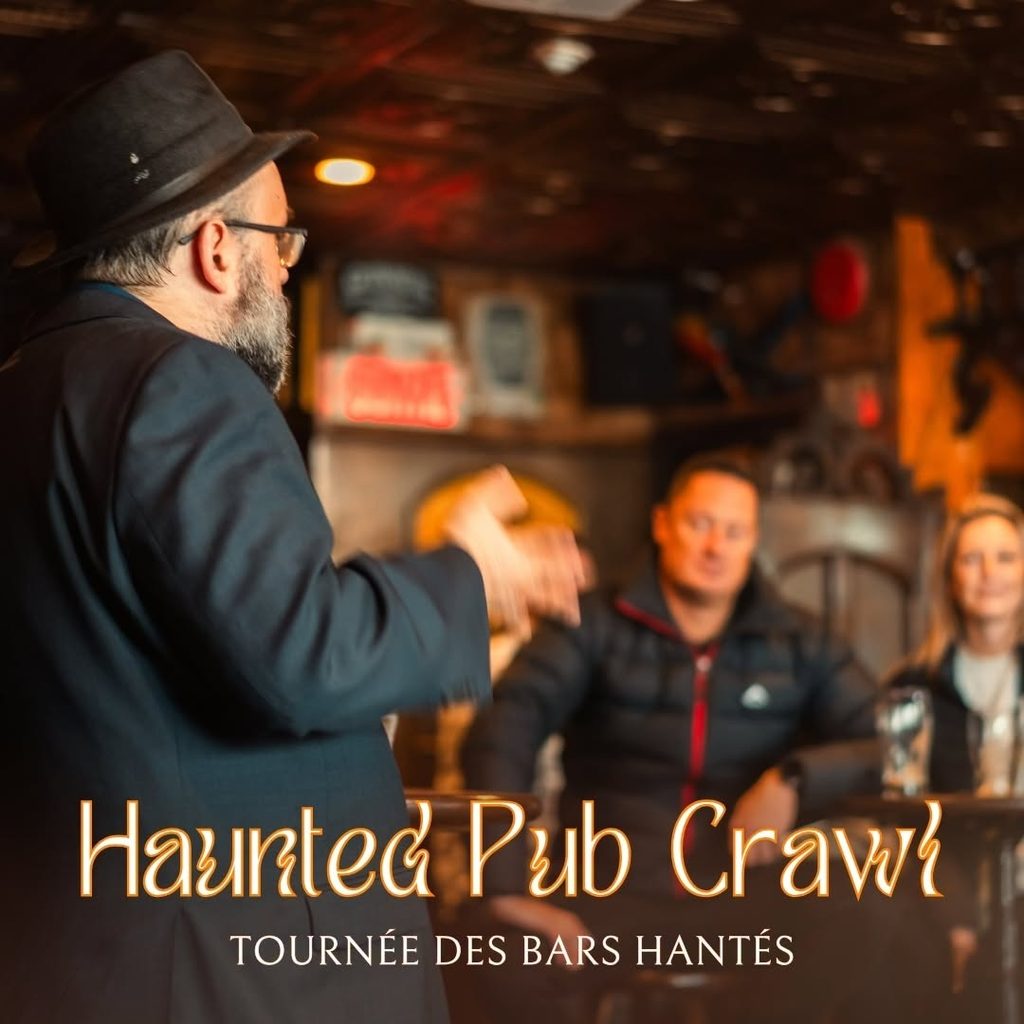
As we enter the spooky season, our full slate of outdoor walking tours is running, as are our three paranormal investigations. Our Haunted Pub Crawl runs every Sunday at 3pm in English, and the last Sunday of the month at 2pm in French.
Our newest daytime tour, the Indigenous-Led Colonial Secrets of Old Montreal, runs every Saturday at 2pm in English and 4pm in French (with a special Sunday edition in English today at 2pm).
Check out our Company News Section for the latest updates!
Haunted Research
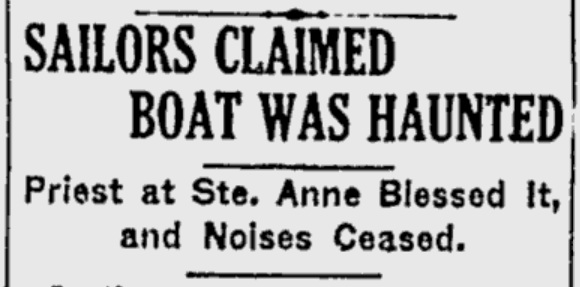
An Ottawa Citizen article from October 23, 1926, described a haunted steamship with a Montreal connection. The article, titled “Sailors Claimed Boat Was Haunted”, was based on the recollections of retired Captain William Bothwell. The captain had heard the spooky tale from a man named Lefebvre, who was the second mate on the Relief.
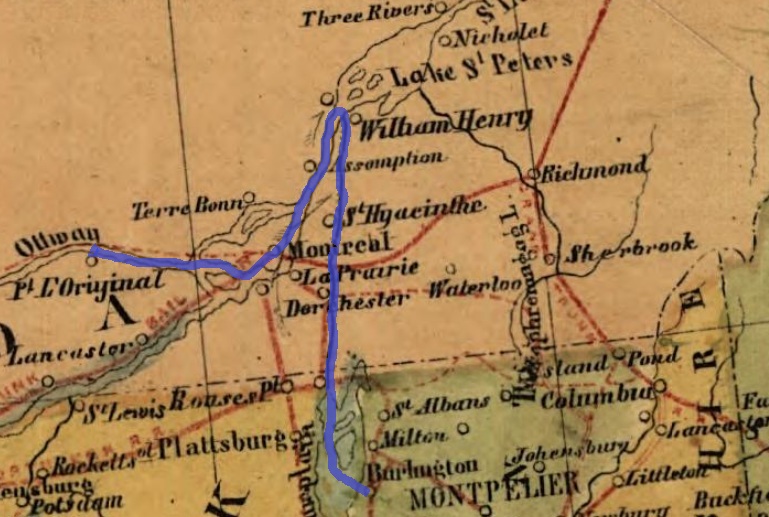
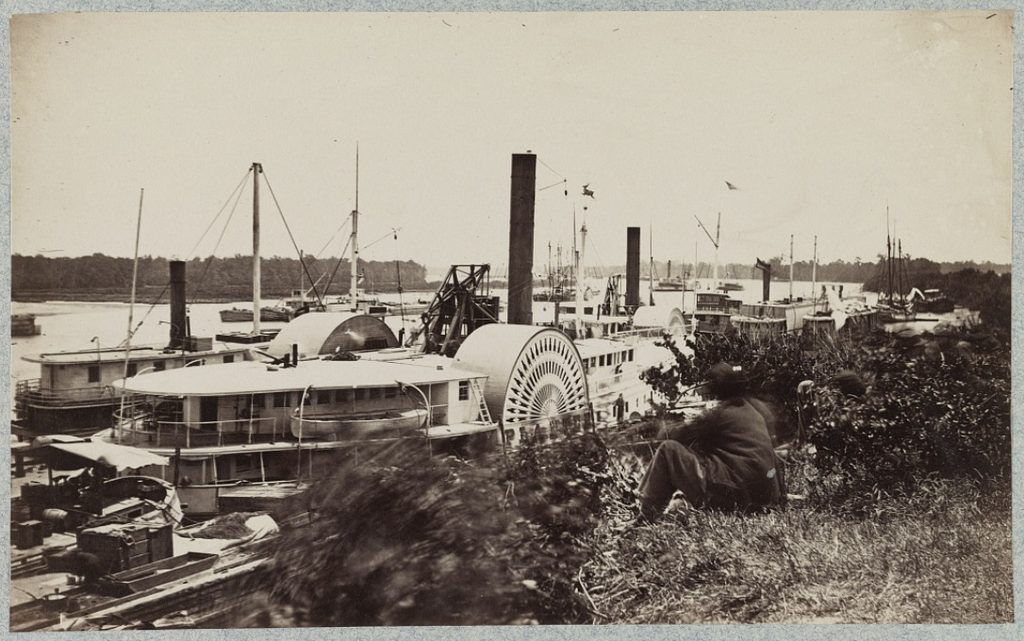
Built in Montreal in 1865, Relief was a 65-ton steamer. Its mission was to transport raw lumber from Ottawa to Burlington, Vermont by towing the logs on barges or scows.
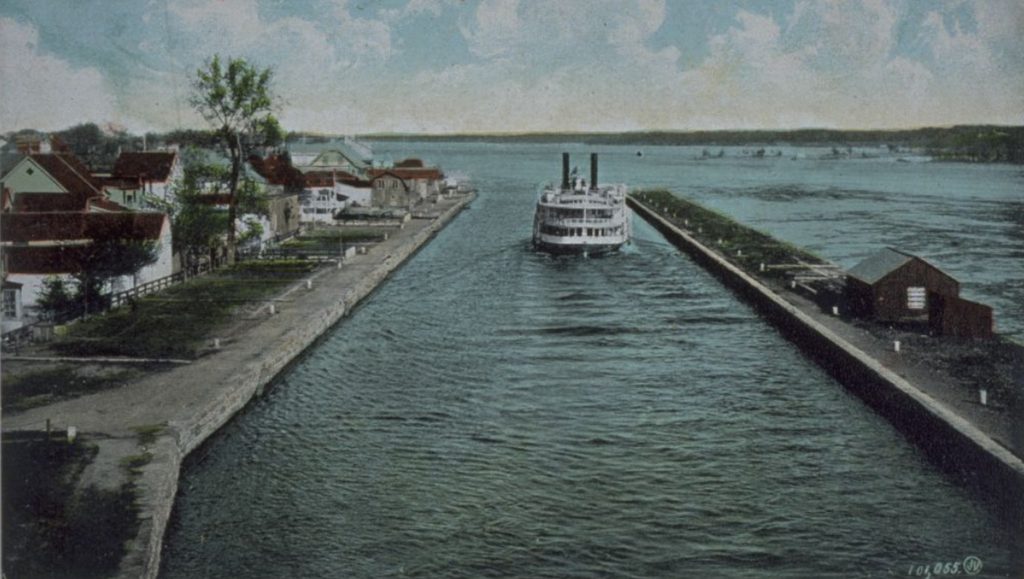
The journey took about a week to 10 days and involved a precipitous journey, involving rivers, canals, locks, rapids, American customs, and finally Lake Champlain. The voyage also involved a passage through the Lachine Canal in Montreal, with a stop at St. Gabriel’s lock in the notorious neighborhood of Griffintown.
The Ottawa Citizen article explained:
“In the year 1870 there plied on the Ottawa a steamer called the Relief. It was part of the Auger fleet of Montreal. The Relief drew barges of lumber shipped from the H. F. Bronson mills here to Burlington.”
The Auger fleet refers to the vessels owned or operated by J. B. Auger & Co., a Montreal maritime and shipbuilding company with facilities on the Lachine Canal including a warehouse and workshop.
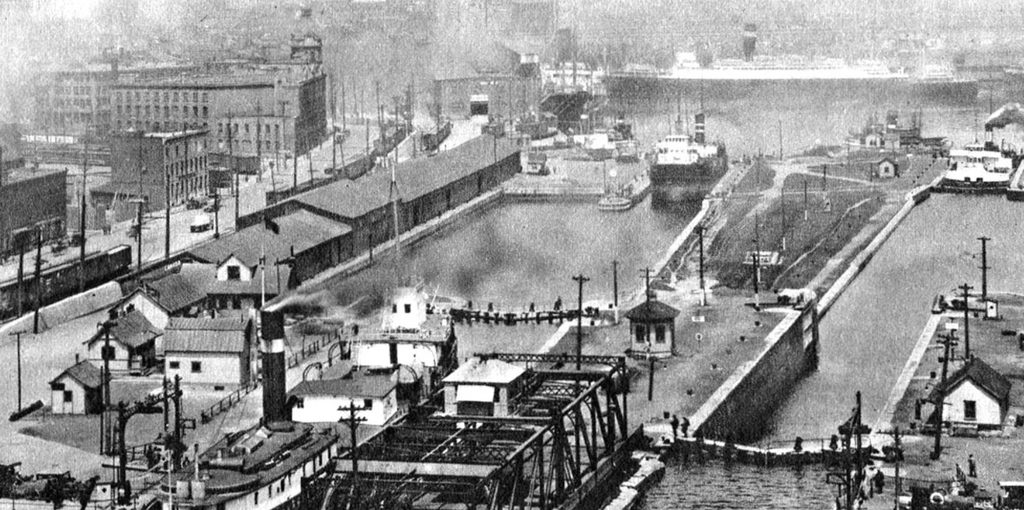
At the time, there were roughly 45 steamers and 251 barges estimated to be transporting lumber down the Ottawa River, employing about 2,000 men.
The H. F. Bronson mills were one of the major sawmilling businesses at Chaudière Falls in Ottawa. Bronson’s operation was a large industrial complex consisting of the sawmill, lumber yards, piling grounds, sheds, offices, and facilities for handling logs and finished lumber.
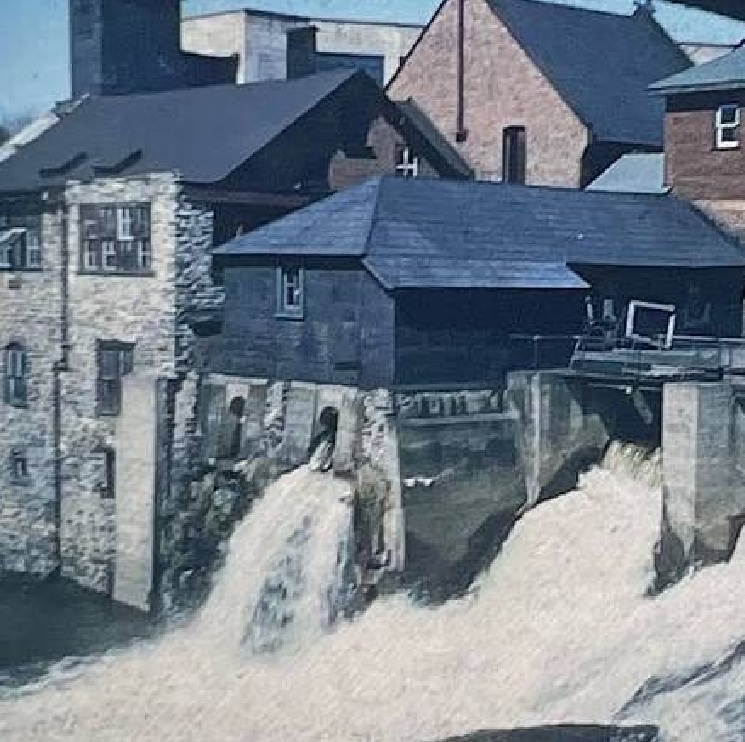
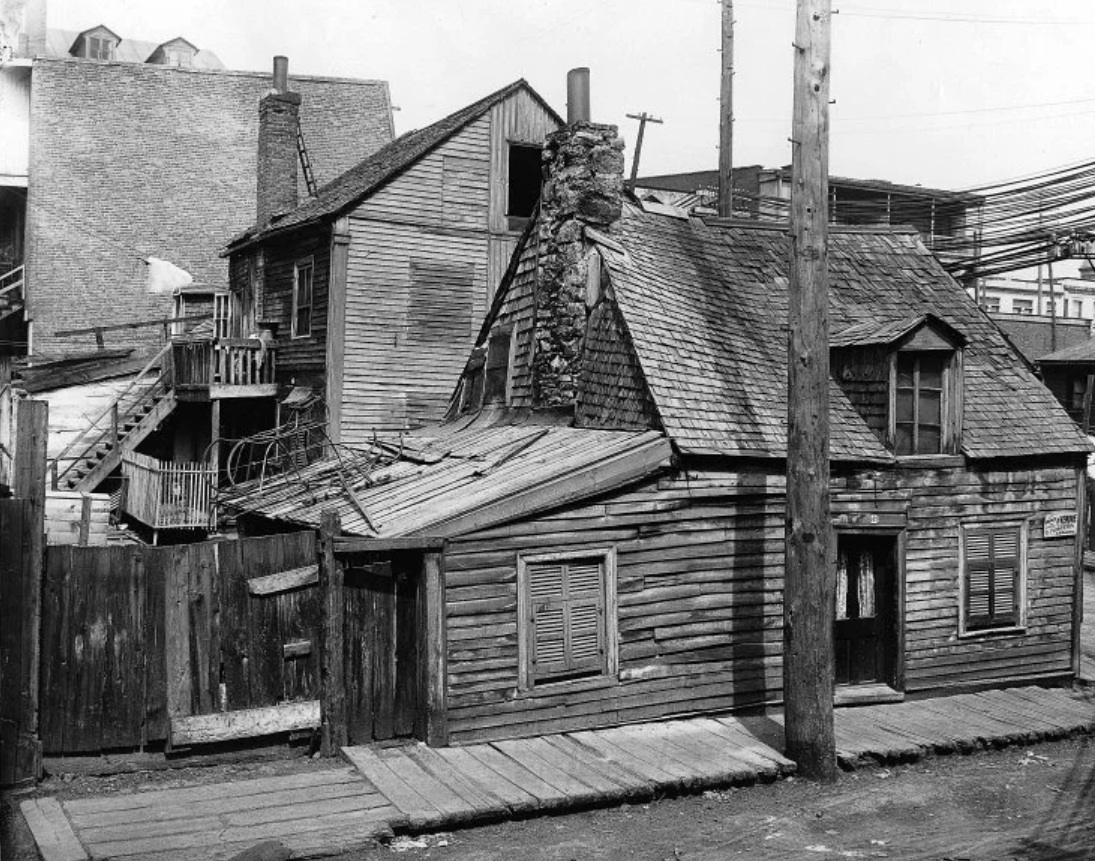
The voyage from Ottawa to Burlington, Vermont included two particularly dangerous places for mariners. The first was the ill-reputed neighbourhood of Griffintown on the Lachine Canal, where ships often had to moor overnight until the locks opened in the morning. The shantytown was largely inhabited by poverty-stricken Irish Famine survivors and their children. It was dirty, crime-ridden and harbored all sorts of dangers and temptations. At night, sailors often considered the Griff a no-go zone and stayed on their vessels.
On the same page of the Ottawa Citizen, a second article appeared titled “GRIFFINTOWN WAS A BAD PLACE BOATMEN: Men Who Plied Ottawa River Had Hard Time There.”
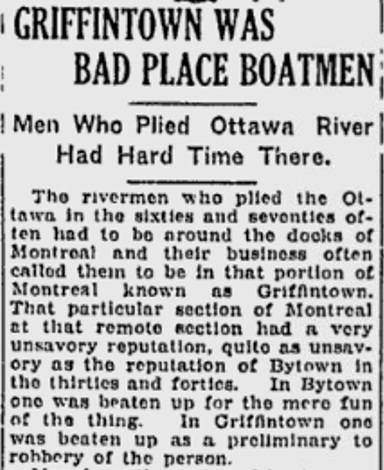
It too quoted retired Captain William Bothwell, who said:
“It was just like the Bowery in New York. The place was frequented by very tough gangs. If a riverman was foolish enough to travel alone there at night, he would be accosted by a single man with either a request for a match or for the time. If he stopped three or four men would sneak up from some dark spot behind and while the victim was fumbling for a match the newcomers would spring on his back, or hit him on the head with a piece of lead pipe or something.”
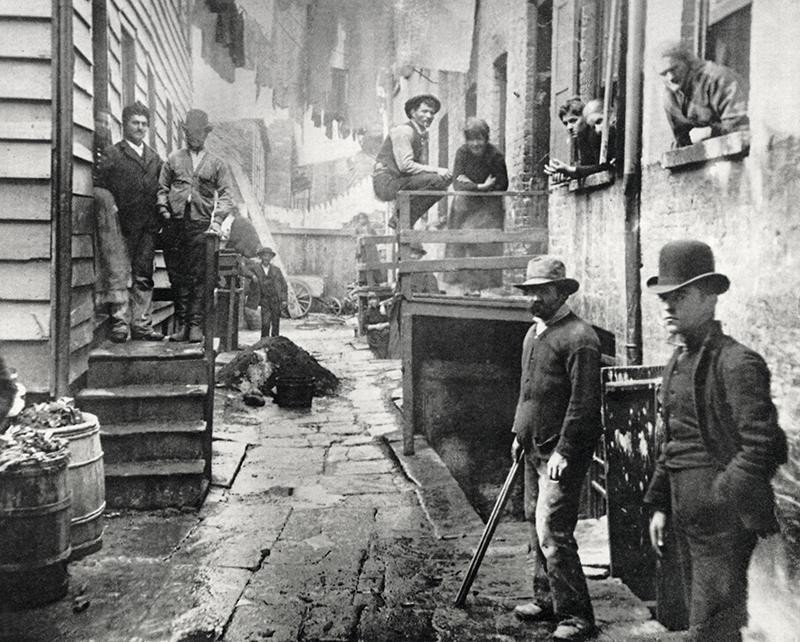
The captain continued: “I often found it necessary to go into Griffintown at night to find my men or hire men and I made it a practice of always carrying a revolver up my sleeve. If I was approached by any of the gangs I would always say ‘Haven’t any,’ or ‘Don’t know,’ and would walk on. Then I would turn to see if I was being followed. On one occasion one of my men was followed by three men almost to the boat. When near the boat he turned, drew his gun and told the men that he would fire if they came a foot further. They retreated.”
While the first danger on the voyage were thugs and criminals in the Griff preying on the sailors, the second was far more deadly. At Sorel, the steamers often encountered shifting sandbars, dangerous currents and powerful storms. Furthermore, the sailors needed to pull off a difficult navigational maneuver to turn from the St. Lawrence River into the Richelieu River, both of which flowed downstream towards the Atlantic Ocean.
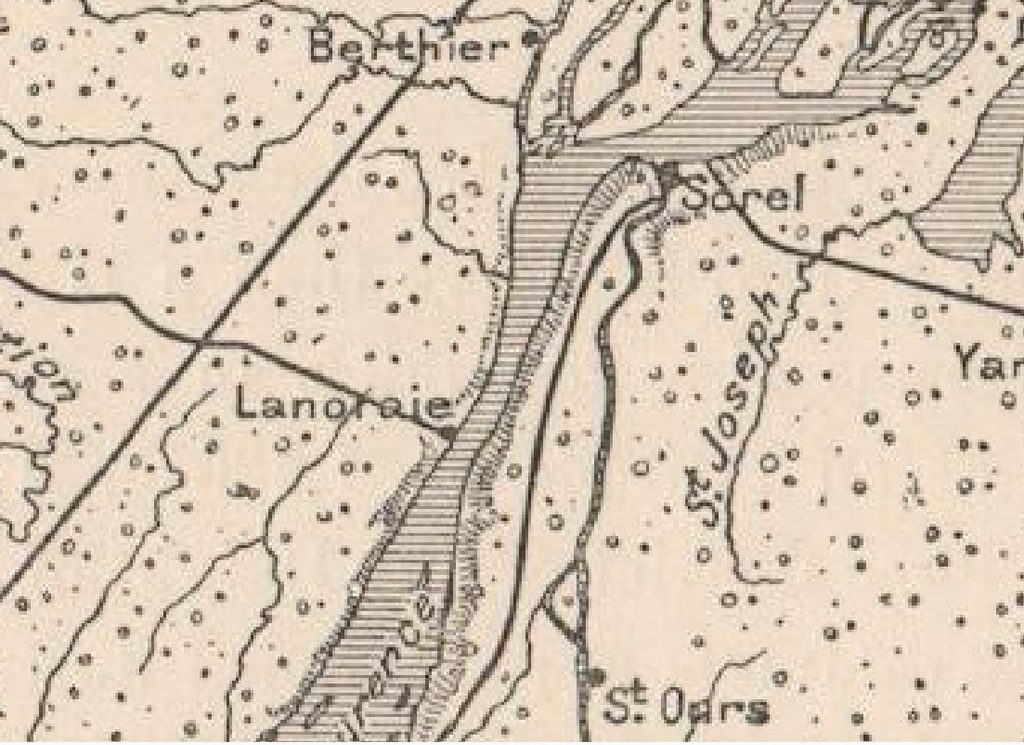
Switching rivers meant that ships and their barges had to pivot and sail upstream in the Richelieu after moving with the current in the St. Lawrence.
Returning to the first Ottawa Citizen article. It stated:
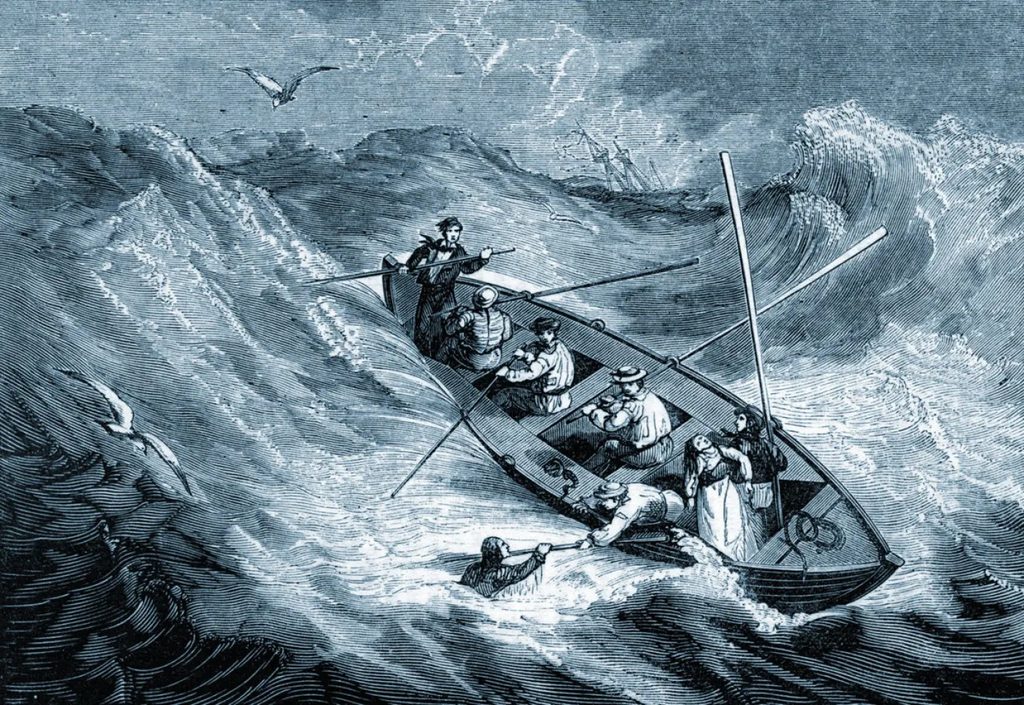
“In that year the Relief while in a storm on the St. Lawrence below Montreal upset and the captain was drowned, while the balance of the crew had a narrow escape.”
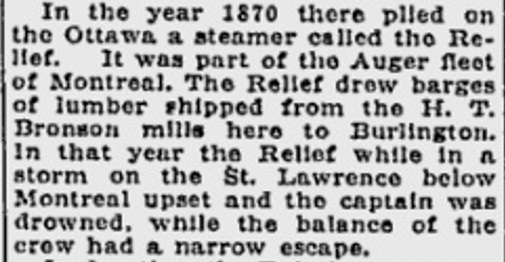
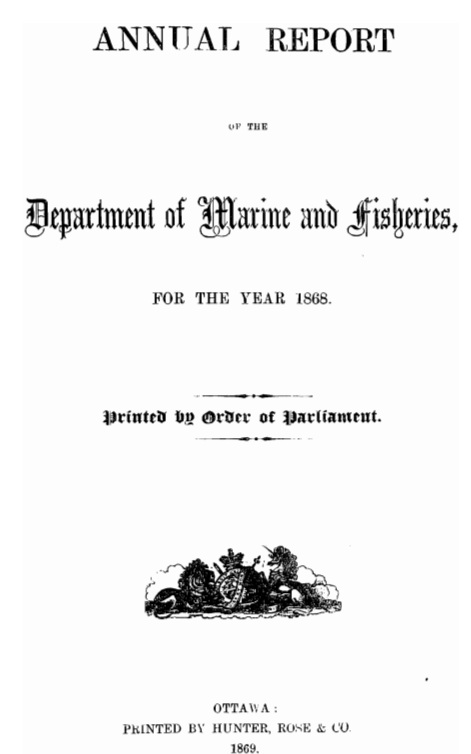
Research indicates that the Captain or journalist made an error by stating that the Relief sank in 1870. It actually sank two years earlier according to the “ANNUAL REPORT OF THE Department of Marine and Fisheries, FOR THE YEAR 1868”:
“Three Rivers District.— Steamer “Relief” sunk on the 5th May, opposite Sorel, in a gale of wind. The Captain and one of the firemen lost.”
J. B. Mansfield’s “History of the Great Lakes” described the May 1868 sinking as: “Tug Relief capsized near Sorel, Canada; two lives lost.”
In major storms, a steamer often lacked the engine power required to maneuver both itself and water-logged lumber barges. If one barge began to sink, it could drag the towing steamship down with it before the crew had time to cut the towlines. It is also possible the Relief was capsized by a large wave, flooded or even got jack-knifed by the barges it was towing.
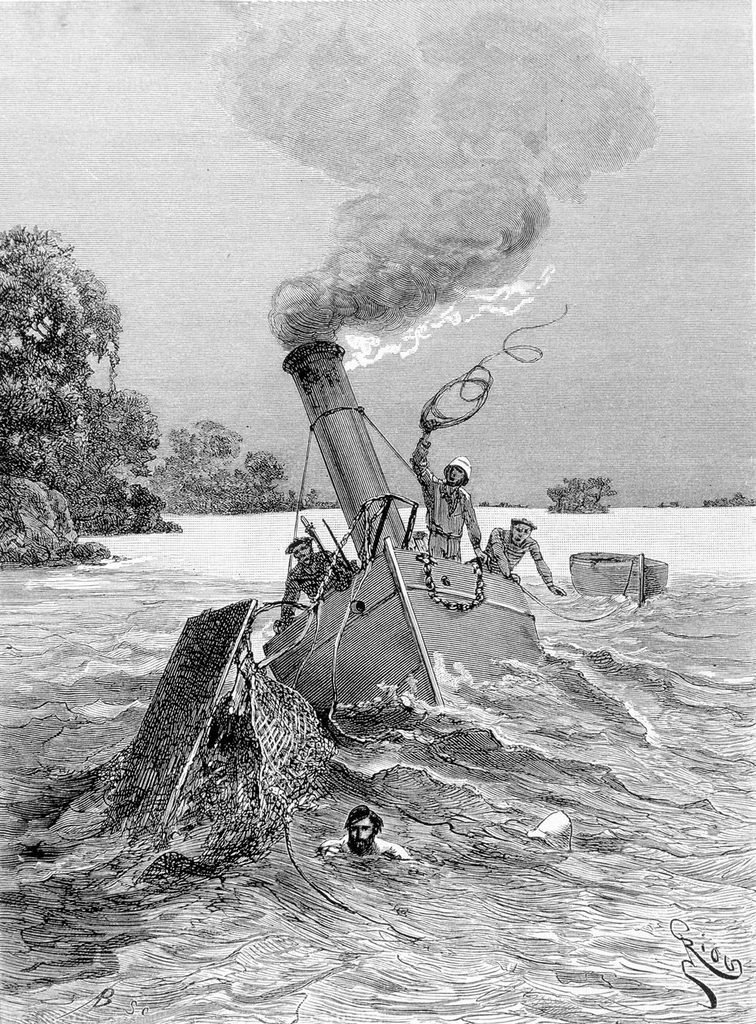
What is known is that the Captain went down with the ship, along with a fireman. The second mate, Lefevbre, survived along with the rest of the small crew.
Returning to the Ottawa Citizen, the first article mentioned that the sunken ship was refloated and put back into operation. It also mentioned newly manifested haunted activity on the Relief:
“In due time the Relief was got going again. But it was not long before the crew began to allege that they heard queer noises on the boat—knockings on the outside of the hull, rappings on the boiler, also queer noises as of people walking on the decks. It became believed by the crew that the boat was haunted.”
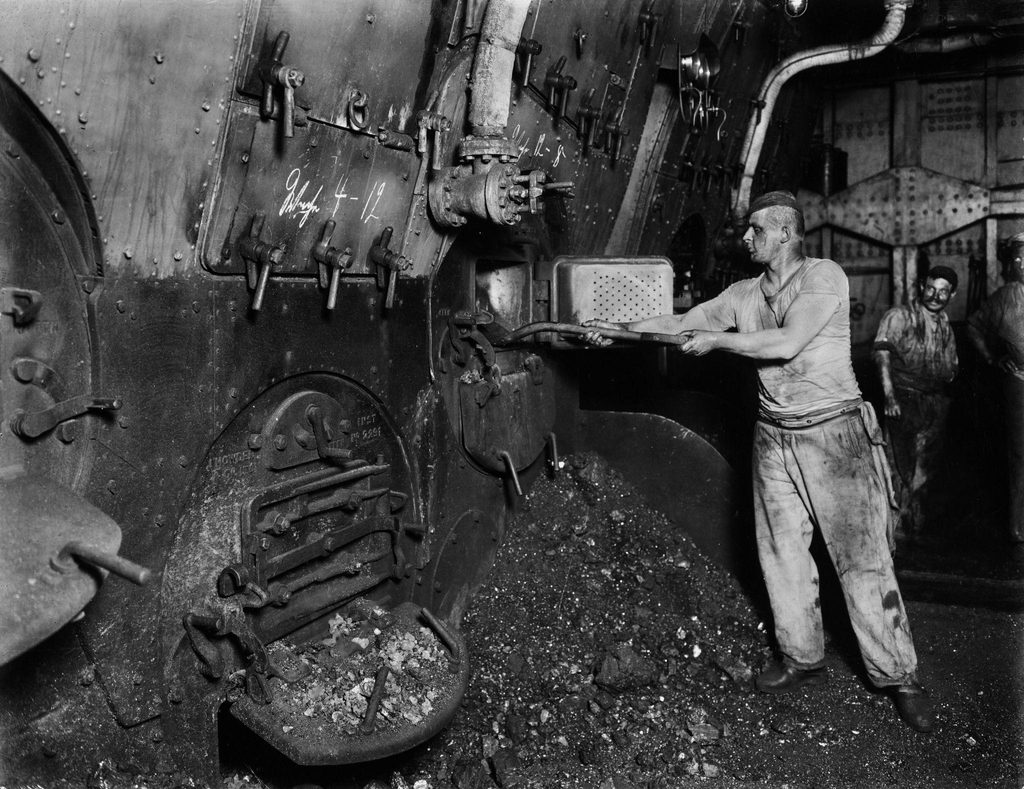
The second pilot, a man named Lefebvre, was the person who had told the story to Captain William Bothwell. Lefebvre had been on the Relief when it sank off Sorel. He waited for the refloating operation and repairs and then continued working on the vessel.
While Lefebvre did not believe I ghosts himself, he recalled the crew complaining about constant queer noises that were disturbing them. Many sailors believed the rapping on the side of the ship and one set of footsteps was ghost of the drowned captain. The ghost of the deceased fireman may have been blamed for the frequent rapping on the boiler and the other set of footsteps on the deck.
Whatever the case, Lefebvre had heard stories about a famous priest in the village of St. Anne de Bellevue on the western tip of the Montreal Island. Father Georges-Fidèle-Octave Chèvrefils served as the parish priest from 1858 to 1903. He was well known for performing miracles during a river disaster in 1865.
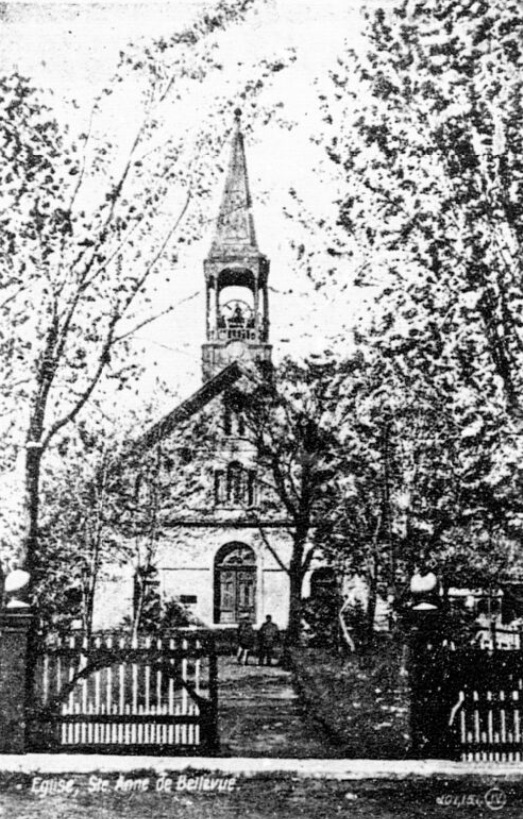
According to the historical account of the parish, the disaster involved sixteen barges carrying roughly fifty men who were swept helplessly downstream by the powerful current of the Ottawa River. The barges were adrift, possibly the result of a snapped towline from a steamship. The situation appeared so hopeless that death apeared inevitable.
Father Chèvrefils rushed to the riverbank with his parishioners as the disaster unfolded. The crowd feared certain death for the rivermen being swept through the rapids. The priest prayed to God and vowed to establish a day of thanksgiving to Sainte Anne, patroness of navigators, if the sailors were spared.
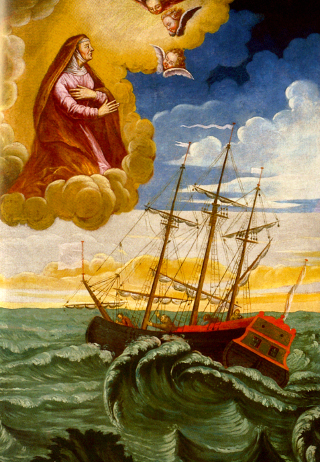
As the barges were swept downstream, Father Chèvrefils gave the imperiled men the final blessing. Described in the parish account as the “dernière et suprême benediction”, this solemn Catholic prayer was given when a person was believed to be facing imminent death.
When one of the barges struck a pier of the Grand Trunk Railway bridge, it broke apart. Its wreckage temporarily diverted the current and prevented the other barges from immediately following it downstream.
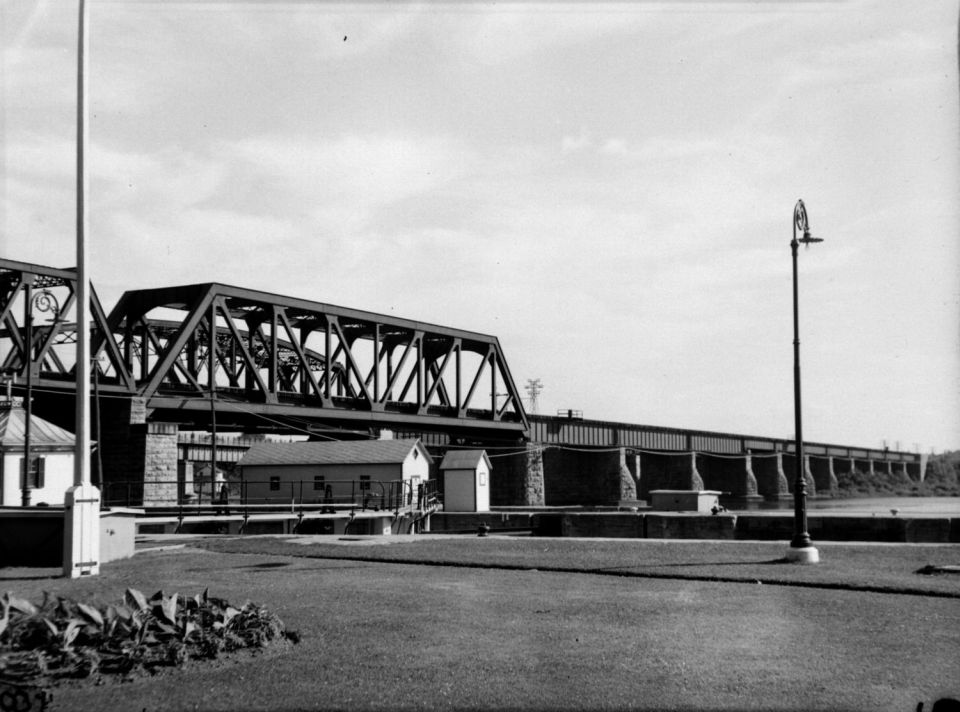
Local men then climbed onto the bridge and used ropes to pull the stranded rivermen to safety.
However, when a captain disappeared beneath the water while attempting to save his provisions, the crowd believed him to be drowning. Father Chèvrefils knelt among his parishioners and began a prayer for the dying captain.
Then the captain suddenly resurfaced and was rescued by an approaching boat. The traditional account claims that, while underwater, he had mentally prayed: “Jesus, forgive me; Saint Anne, save me!”
The captain’s rescue was viewed as a miracle. True to his word, Father Chèvrefils’ established what would become the annual celebration of the “Fête de Sainte-Anne” at his parish on July 26, 1865. His reputation had solidified as a miracle worker.
Returning to the Relief, the first Ottawa Citizen article explained:
“One night while the boat was laid up at St. Anne de Bellevue, the crew were prepared to leave in a body. A man named Lefebvre, who was a second pilot, suggested to the men that instead of leaving they should get the priest at the village to come to the boat and bless it and then the spirits would depart—if there were any. Which Lefebvre did not believe.”
The crew agreed:
“His advice was taken. The priest told the men they were foolish, but consented to bless the boat, which he did with due ceremony. Captain Wm. Bothwell, who tells this story (which he heard from Lefebvre) says that from the time the priest blessed the boat the noises were not again heard.”
The sailors must have been thrilled that the haunting and queer noises had stopped once and for all. They credited the priest’s exorcism for ridding the Relief of the ghosts that had been haunting the steamer.
Father Chèvrefils had proved once again that through his religious interventions he was able to bring peace of mind to those affected by disturbances. Whether natural disasters like the storm that almost killed the rivermen on the barges, or supernatural issues like the ghosts haunting the Relief, Father Chèvrefils always had a divine solution. With a powerful and holy track record like that, there is speculation that Father Chèvrefils may become a Saint one day.
As for the Relief, she was decommissioned in 1916 and likely broken up and sold as scrap metal. While there are no physical remains today of Montreal’s haunted steamship, the ghostly legend of the Relief certainly lives on.
Company News
The Spooky Season is upon us! In preparation for Halloween 2026, our full slate of outdoor ghost walking tours is up and running. Book your tickets for Haunted Old Montreal, Haunted Griffintown, Haunted Mountain, or Haunted Downtown.

Paranormal Investigations in Sainte-Antoine Cemetery and Colonial Old Montreal are running, and are joined this year by a new Old Montreal investigation focused on spirits from the New France Era.
Our Haunted Pub Crawl runs every Sunday at 3pm in English, and the last Sunday of each month at 2pm in French. Share some spirits with some spirits.
Our newest tour, the Indigenous-Led Colonial Secrets of Old Montreal runs every Wednesday and Saturday at 2pm in English and 4pm in French until the end of August. Get your tickets now!
Now is the best time to reserve a private tour for September, but also for the Halloween Season. Any of our experiences can be booked at any time based on the availability of our actors.

Clients can request any date, time, language and operating tour. These tours are based on the availability of our actors and start at $250 for small groups of up to 8 people. Email info@hauntedmontreal.com to book a private tour!
Spice up your Halloween party by reserving one of our Travelling Ghost Storytellers today.

Hear some of the spookiest tales from our tours and our blog told by a professional actor and storyteller. You provide the venue, we provide the stories and storyteller. Find out more and then contact info@hauntedmontreal.com
Holly and Dr. Mab are back! Now part of Stygian Media, they will continue releasing Haunted Montreal videos based on our blogs in English and French among other horror-themed content.

In other news, if you want to send someone a haunted experience as a gift, you certainly can!
We are offering Haunted Montreal Gift Certificates through our website and redeemable via Eventbrite for any of our in-person or virtual events (no expiration date).

Our online shop is offline for the next few months. If you would like to purchase any Haunted Montreal-branded t-shirts or mugs in the meantime, please contact us at info@hauntedmontreal.com
Please like, subscribe and hit the bell!
Haunted Montreal also has temporarily altered its blog experience due to a commitment on a big writing project! Until further notice, we will be offering updates on old stories every second month and the regular blog service alternating.

Haunted Montreal would like to thank all our clients who attended a ghost walk, haunted pub crawl, paranormal investigation or virtual event!
If you enjoyed the experience, we encourage you to write a review on our Tripadvisor page and/or on Google Reviews – something that really helps Haunted Montreal to market its tours.

Lastly, if you would like to receive the Haunted Montreal Blog on the 13th of each month, please sign up to our mailing list.
Coming Up on October 13: Update on the Haunted Statue of Jacques Cartier and the 2026 Halloween Season!
With the Halloween Season just around the corner, Haunted Montreal is planning a lot of activities! We also update the story of the Haunted Statue of Jacques Cartier, which is now disturbing Indigenous people living in Saint Henri. With its incessant cackling and racist imagery, there are calls to modify or remove the statue once and for all.
Author:
Donovan King is a postcolonial historian, teacher, tour guide and professional actor. As the founder of Haunted Montreal, he combines his skills to create the best possible Montreal ghost stories, in both writing and theatrical performance. King holds a DEC (Professional Theatre Acting, John Abbott College), BFA (Drama-in-Education, Concordia), B.Ed (History and English Teaching, McGill), MFA (Theatre Studies, University of Calgary) and ACS (Montreal Tourist Guide, Institut de tourisme et d’hôtellerie du Québec). He is also a certified Montreal Destination Specialist.
Related Posts
Superb pictures and a fascinating haunted tale. Does the day of thanks still occur at this church in Sainte Anne